
Building Automation Systems
Centralized Control. Real-Time Visibility. Smarter HVAC Performance.
Building Automation Systems (BAS) integrate HVAC and other building systems into a centralized platform that allows for monitoring, control, and optimization of performance. These systems improve efficiency, reduce operating costs, and support better building management.
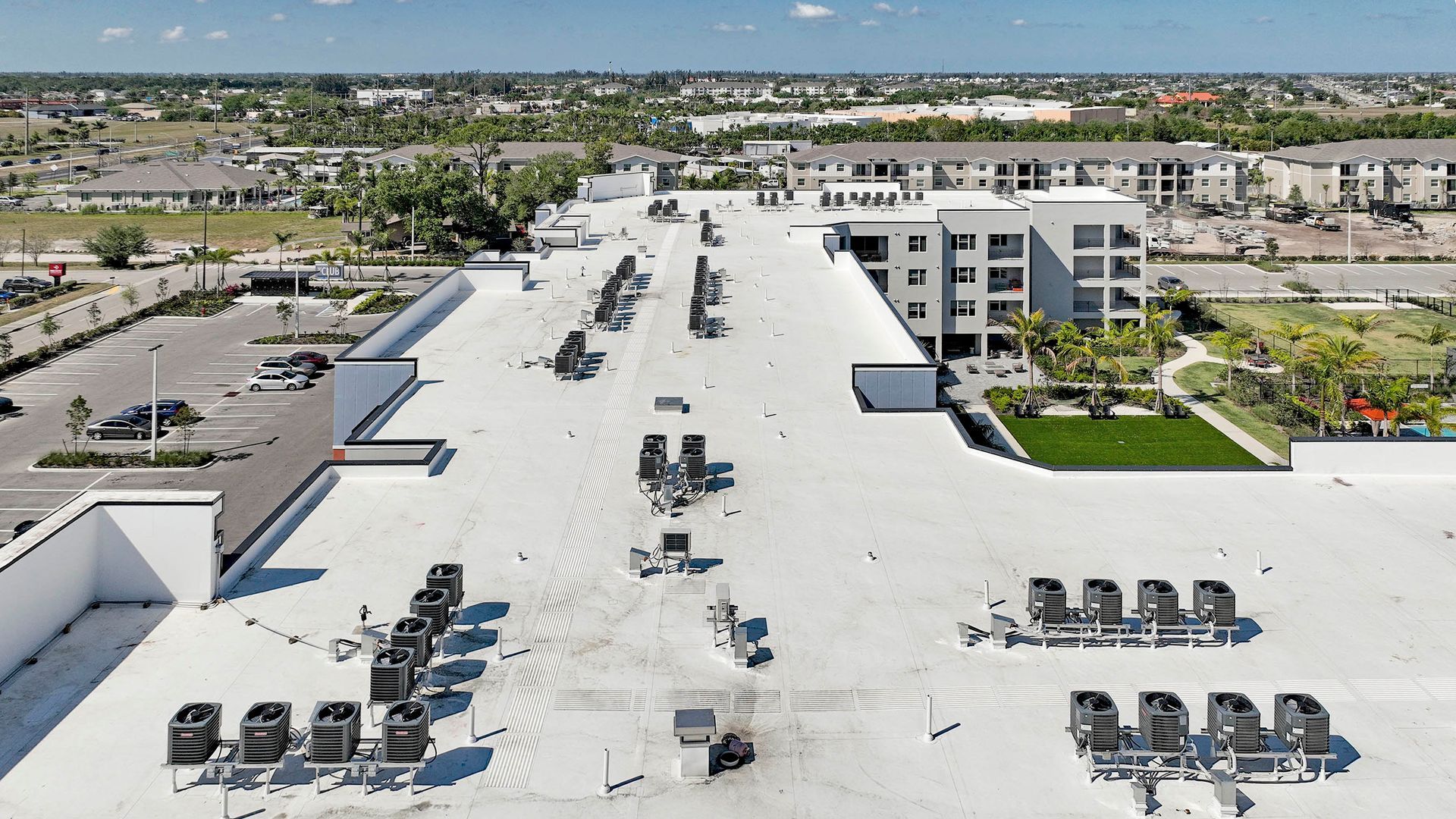
Commercial HVAC systems don’t operate in isolation—they are part of a larger building system.
Without centralized control, performance becomes inconsistent, energy use increases, and managing multiple systems becomes more complex.
Building automation solves that.
Crowther integrates HVAC systems into centralized platforms that provide visibility, control, and real-time performance management—so building systems operate as a coordinated whole.
What Building Automation Does
Building automation connects systems into one controlled environment.
This allows for:
- Centralized control of HVAC systems
- Real-time monitoring of system performance
- Automated adjustments based on demand
- Improved coordination across building systems
Instead of managing systems individually, everything is managed from a single platform.
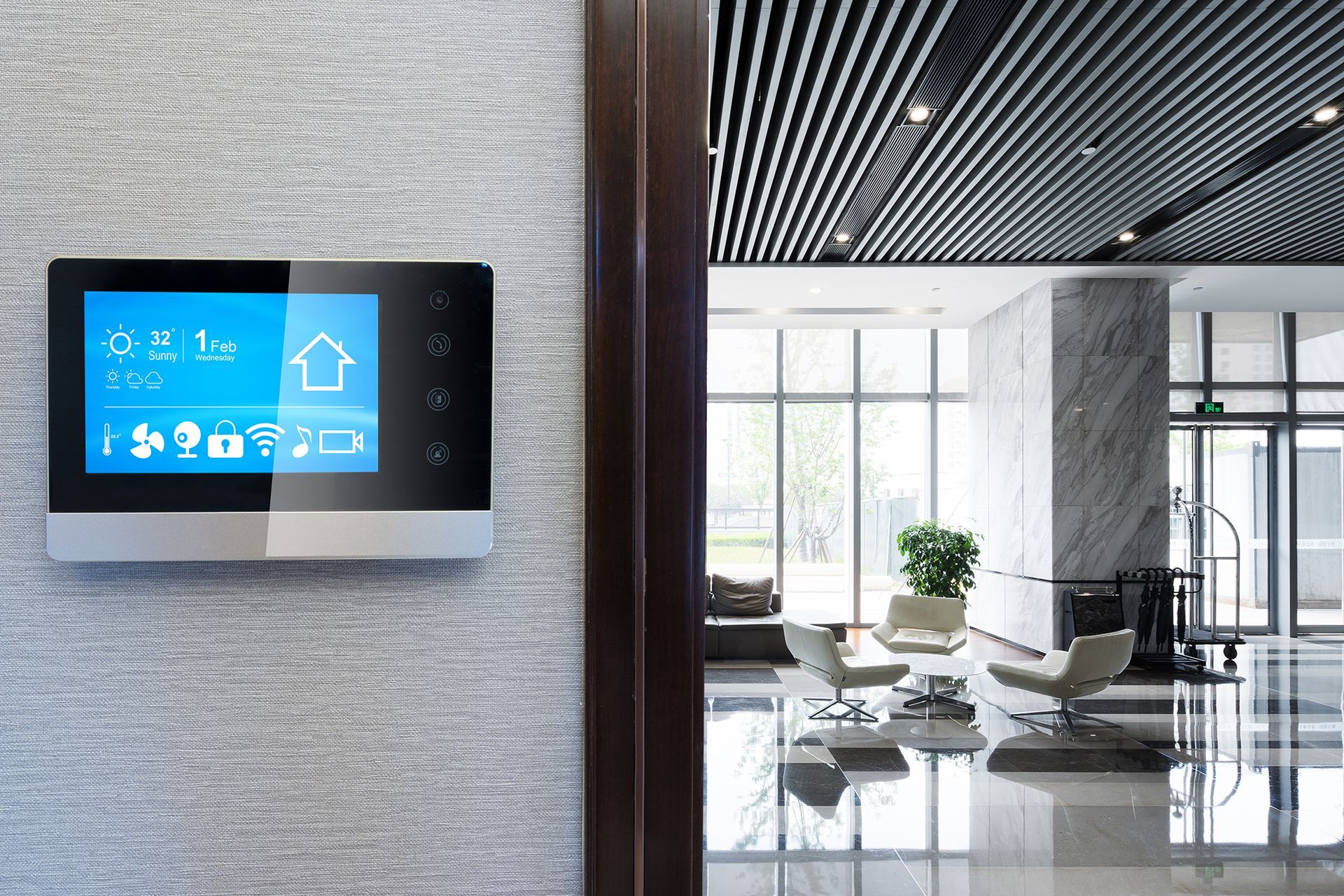
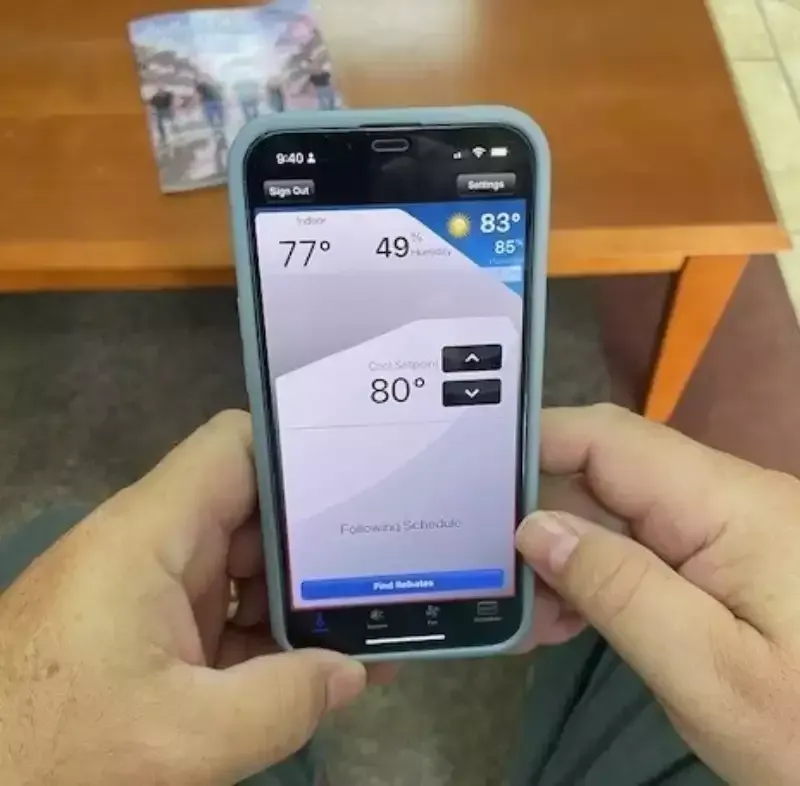
Real-Time Monitoring & Control
BAS provides continuous visibility into system performance.
This includes:
- Temperature and airflow monitoring
- Equipment performance tracking
- System alerts for irregular activity
- Immediate adjustments when needed
This level of control reduces reliance on manual intervention.
Energy Efficiency & Cost Reduction
One of the primary benefits of automation is efficiency. Efficiency is driven by data, not guesswork. Building automation systems help:
Reduce unnecessary energy use
Optimize system operation throughout the day
Adjust performance based on occupancy or demand
Lower overall operating costs

Predictive Maintenance
Automation systems help identify issues before they become problems.
This allows for:
- Early detection of system inefficiencies
- Alerts for maintenance needs
- Reduced unexpected breakdowns
- More controlled service scheduling
This shifts maintenance from reactive to proactive.
Integration with HVAC Systems
Building automation works directly with HVAC infrastructure.
It integrates with:
- Air conditioning systems
- Ventilation systems
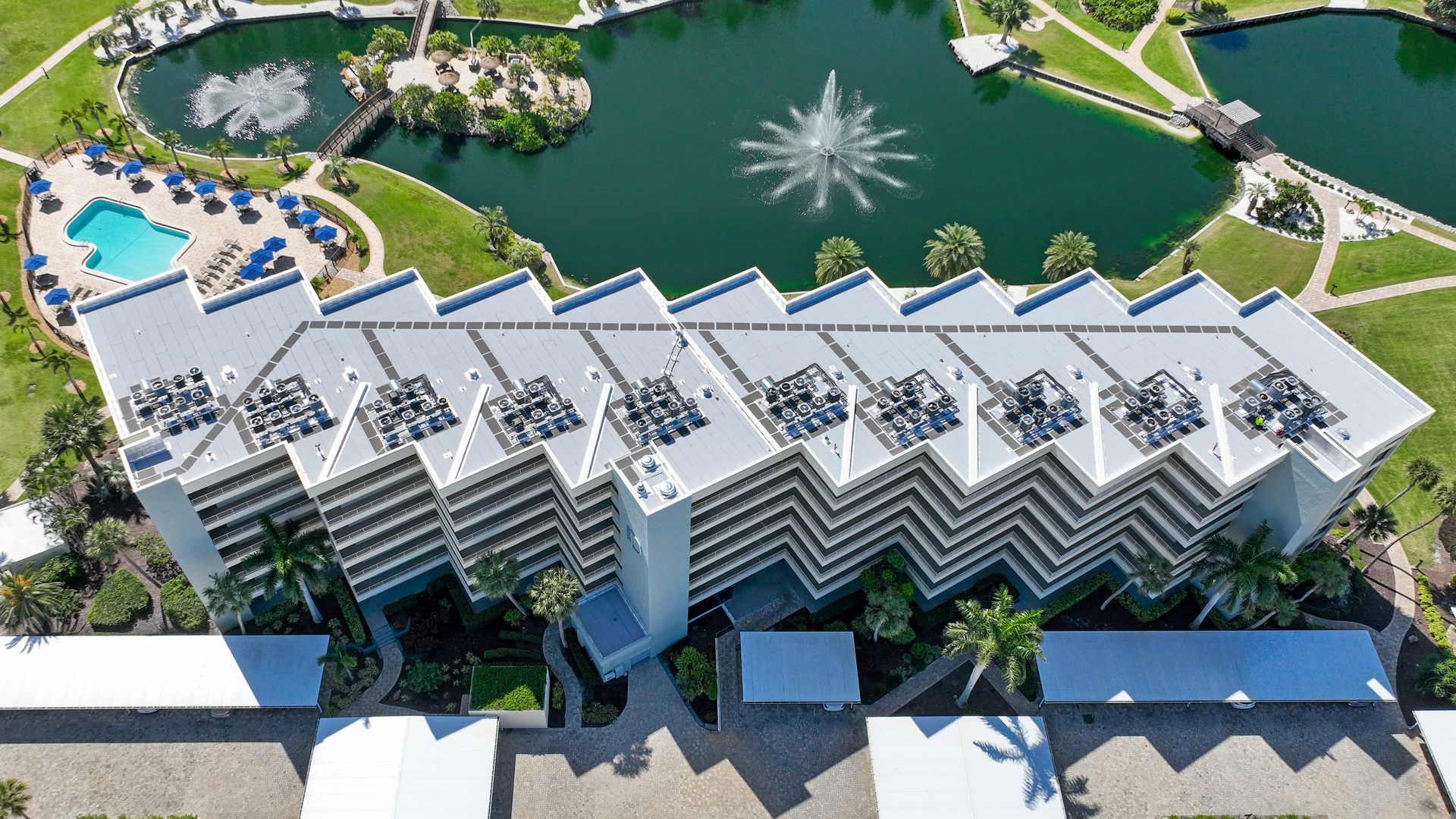
- Multi-unit HVAC setups
- Other building controls
This ensures all systems operate together rather than independently.
Operational Control & Reliability
Automation improves consistency across building operations.
It helps:
- Maintain stable indoor conditions
- Reduce system variability
- Improve overall reliability
- Support uninterrupted building use
This is especially important in high-demand environments.
Application Across Commercial Properties
Building automation systems are used across a range of commercial properties. Each system is configured based on building requirements and operational needs.
Multi-Unit Properties
INDUSTRIAL FACILITIES
RETAIL CENTERS
OFFICE BUILDINGS
When Building Automation Makes Sense
An evaluation helps determine if automation is the right fit. Automation systems are typically recommended when:
Multiple systems need centralized control
Energy efficiency is a priority
System performance lacks consistency
Maintenance needs are difficult to track
Frequently Asked Questions
What is a building automation system?
It is a centralized system used to monitor and control HVAC and other building functions.
Does automation reduce energy costs?
Yes. Systems are optimized based on real-time demand, reducing unnecessary usage.
Can existing HVAC systems be integrated?
In many cases, yes. Integration depends on system compatibility.
Does BAS replace maintenance?
No. It supports maintenance by providing better data and early detection.
Is building automation only for large buildings?
It is most commonly used in larger or multi-system environments, but applicability depends on building needs.

Building performance improves with better control. Contact Crowther Roofing & Cooling to evaluate your system and implement a building automation solution tailored to your property.